As today’s trend cycles become shorter and shorter, it can be all the more difficult to stay on top of what grabs consumers’ interest. The fourth wave of craft coffee has ushered in an era of constant coffee evolution, and people desire the latest and greatest in coffee and flavor innovation.
Coffee is no longer just a quick way to get your caffeine fix. Specialty coffee has created a need for a coffee experience. Think about the independent coffee shops leading the way. They aren’t just handing you a cup of drip coffee. They’re creating inviting spaces where people can connect over delightful drinks with rich, authentic flavors. Seasonal flavors can add to this experience, creating a sense of novelty that customers feel the need to capitalize on while they can.
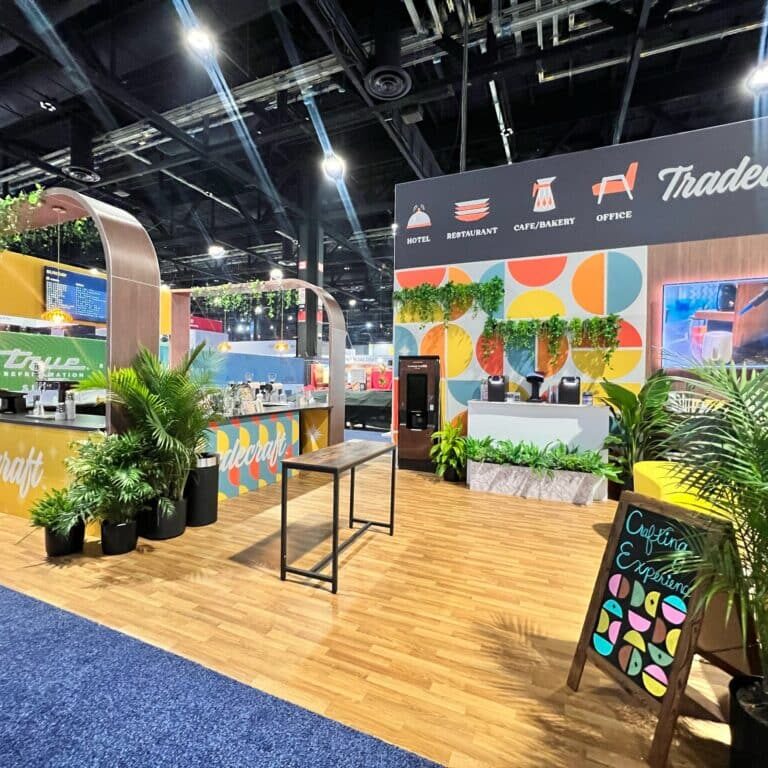
At Tradecraft Coffee & Tea, we’ve seen firsthand how seasonal offerings can transform menus and customer engagement. Seasonal drinks are more than just fun extras to throw on your menu. They’re strategic recipes that welcome guests, excite teams, and drive measurable sales. Here’s why limited-time seasonal beverages are important and why you need them in your cafés, restaurants, and workplaces.
What Is Seasonal Coffee?
Just like any other crop, coffee beans grow differently depending on the season. Coffee is a fruit, and its sensory properties vary from harvest to harvest. Seasonal coffee blends refer to what blends and beans are in-season. This typically means roasted beans from the most recent harvest. The beans’ flavor profiles will have unique tasting notes depending on when and where they grow. For example, spring coffee beans might have fruity and citrusy or sweet and nutty tasting notes while fall coffee beans might have warm and spicy flavors.
Seasonal coffee can also refer to seasonal coffee drinks that feature flavors, ingredients, or themes tied to a particular time of year. Think pumpkin spice coffees in autumn, peppermint mochas for winter holidays, and floral lattes in spring. Menu items like these typically appear once a year and create buzz among guests.
These drinks are typically offered as limited-time creations, or LTOs (Limited-Time Offers). Developing them is an intentional process that involves months (sometimes years) of planning, recipe testing, ingredient sourcing, and marketing coordination. Every sip of these drinks feels perfectly timed and in line with what we crave during the time of year they’re available.
Popular Seasonal Drinks
Every season inspires its own set of flavors. Customers like to try drinks that reflect the weather and the sentimental ties they may have to a particular time of year. Some of the most popular seasonal drinks include:
- Spring: Spring beverages tend to be light and floral and might include ingredients like honey or herbs. Lavender lattes, rose lattes, and matcha drinks are popular drinks during this time of year.
- Summer: In the summer, we tend to crave drinks that are cool, bright, and refreshing. Cold brew lemonade, coconut milk iced lattes, and nitro brews allow us to cool down and stay energized in hotter temperatures.
- Autumn: Autumn drinks are often warm, cozy, and nostalgic. Pumpkin spice lattes, apple crisp macchiatos, and spicy dirty chais help us embrace the cooler weather and bundle up in our favorite sweaters.
- Winter: Winter drinks are rich, decadent, and festive, often centering around the winter holiday season. Eggnog and gingerbread lattes and peppermint mochas help us get in the holiday spirit and make us feel nostalgic for time we spend with loved ones.
The pumpkin spice latte is perhaps the most iconic seasonal drink in history. Since its launch in 2003, Starbucks has sold hundreds of millions of PSLs, generating tens of millions in annual revenue.
How Customers React to Seasonal Drinks
According to Datassential’s 2025 Food, Flavor & Beverage Trends Report, 62 percent of consumers are interested in trying new and unique coffee drinks. Whether you’re switching up your seasonal menu every time or reintroducing the classics, guests will appreciate trying new flavors and feeling nostalgic for their seasonal favorites.
Seasonal drinks create excitement and emotional connections unlike almost anything else on a menu. Here are some ways customers react to seasonal drinks:
- Customer Excitement & Increased Engagement: Many customers see the return of a favorite seasonal drink as a sign the season has officially arrived. For some, it isn’t fall until the moment that the first PSL hits the menu (even if that means fall starts in late August rather than on September twenty-second.)
- Urgency & Exclusivity: When something is only available for a limited amount of time, they’re more likely to feel compelled to try it before it’s gone. The perceived scarcity around these drinks drives customers to act, and that can lead to higher traffic or increased sales.
- Emotional Comfort: People naturally crave rich, spiced drinks in cooler months because they’re comforting and familiar. It’s no coincidence that coffee consumption rises in autumn and winter. The return of seasonal flavors can also make clients feel nostalgic for years past, and they may develop an emotional connection to the taste of their favorite drink.
- Increased Relevancy: Today’s coffee drinkers are more interested in specialty coffee and unique flavors than ever before. Offering seasonal drinks helps you meet consumers’ wants and keeps your café space relevant.
- Customer Loyalty: Seasonal beverages can also help you build stronger relationships with your clients. You may be the only place with a particular drink that has become your customers’ favorite. These people know your coffee space is the only place they can get this drink, and this fosters loyalty.
We’ve noticed that seasonality isn’t always bound by the weather anymore. In fact, many coffee brands now launch fall flavors in August to capture early enthusiasm and extend the buying window.
Benefits of Including Seasonal Drinks in Your Menus
From a business perspective, seasonal drinks are much more than a novelty. They’re a growth strategy that increases sales and betters your business’s reputation. Here’s what they bring to the table:
- Sales Growth: Seasonal drinks have been proven to boost revenue in coffee spaces. Starbucks saw an 8% rise in comparable global and North American sales in Q4 of 2023. What drove this growth? Premium seasonal beverages like the beloved pumpkin spice latte.
- Loyalty & Repeat Visits: Customers come back for seasonal releases year after year. It builds tradition and deepens their connection to a brand. In Starbucks’ case, seasonal drinks helped grow loyalty program membership by 14% in one quarter.
- Menu Freshness: Rotating seasonal drinks keeps your menu exciting and gives guests a reason to keep exploring. For independent cafés, it’s also a great way to differentiate from competitors.
- Premium Pricing & Upselling: Customers expect to pay a little more for seasonal drinks and often do so happily. These drinks also pair well with seasonal pastries or snacks, creating opportunities for upselling.
How Seasonal Coffee Engages Your Staff
Just like your customers, your baristas and other staff members can also get excited about new drinks on the menu. Seasonal drinks can give teams a reason to experiment with ingredients and exercise their creativity.
- Training & Upskilling: New drinks provide your team with an opportunity for learning and engagement. Rolling out seasonal drinks means baristas learn new recipes, perfect presentation techniques, and stay engaged with their craft. It can also spark up great conversations with customers.
- Team Excitement: When your staff help taste-test and refine seasonal offerings, they naturally become enthusiastic ambassadors for them. That passion comes through to customers, and customers can recommend drinks based on customers’ preferences.
- Operational Momentum: Seasonal planning encourages teams to get ahead of busy periods. They get ready for the rush and increase operational efficiency to reduce stress during busy periods.
When Consumers Want Seasonal Drinks
Seasonal drinks are all about timing. Understanding when customers crave certain flavors helps you get ahead of the curve and maximize sales.
- Autumn: Hot drink orders typically spike in mid-September and peak through November. In some cafés, hot drinks can make up 70% of orders by late fall.
- Winter: It comes as no surprise that coffee demand is highest during the winter. When temperatures drop, customers want great drinks to help them warm up. Plus, holiday shopping often calls for an energizing pick-me-up in the form of a peppermint mocha.
By aligning launches with seasonal shifts in demand, cafés and workplaces can keep offerings relevant and enticing.
At Tradecraft Coffee & Tea, we believe seasonal drinks are more than just a marketing opportunity. They’re an invitation to connect. They bring customers joy, give teams something to rally around, and drive measurable business growth.
From the first sip of a lavender latte in spring to the final peppermint mocha of winter, seasonal drinks help tell your brand’s story.
For cafés, restaurants, and workplace coffee programs, weaving seasonality into your beverage strategy is a great idea that’s essential for keeping menus fresh, engaging customers, and boosting profitability year after year. Get brewing with Tradecraft today and find out what seasonal drinks we can incorporate in your menus.